

Leadership is often revealed by what a person asks for. Some look for safety. Some look for ease. Some look for recognition. Caleb asked for a mountain.
Israel had entered the Promised Land. The long years in the wilderness were over. The land was being divided among the tribes. This was the moment many would slow down and settle. Caleb stepped forward instead.
At eighty-five years old, he made a request that still speaks to leaders today.
“Now therefore give me this mountain” (Joshua 14:12).
That request shows how biblical leadership works. It is anchored in God’s word, strengthened by obedience, and expressed through faith.
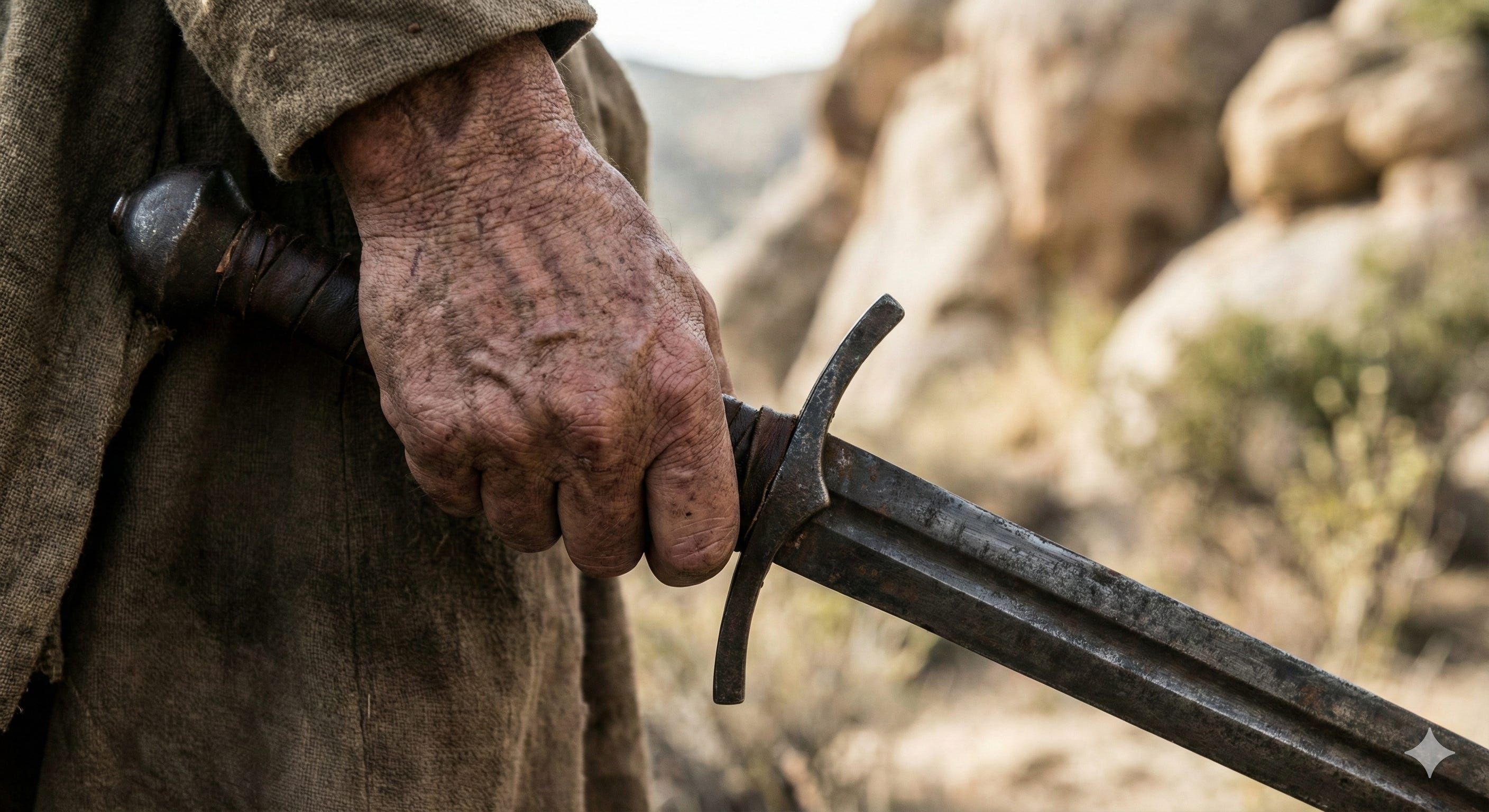
He led by trusting God’s word
Caleb’s request did not begin in Joshua 14. It began forty-five years earlier. He was one of the twelve men sent to spy out the land of Canaan (Numbers 13:1–2). Ten returned with fear. Two returned with faith. Caleb was one of them.
The report of the ten focused on giants and fortified cities (Numbers 13:28). Caleb responded differently. He said, “Let us go up at once, and possess it; for we are well able to overcome it” (Numbers 13:30).
Caleb did not deny the facts. He interpreted the facts in the light of God’s promise.
Leadership is not pretending challenges do not exist. Leadership is refusing to allow challenges to outweigh God’s word.
Leadership is not about avoiding challenges. Leadership is about taking responsibility for addressing challenges.
Because of that response, God made a promise.
Numbers 14 (KJV)
24 But my servant Caleb, because he had another spirit with him, and hath followed me fully, him will I bring into the land whereinto he went; and his seed shall possess it.
Caleb held on to that word for decades.
He outlived the generation that doubted God. He remained faithful under Moses and later under Joshua. Time did not weaken his confidence in what God had said.
Leaders must learn this lesson early. Vision that is not rooted in God’s word will not survive pressure or delay.
He waited without losing strength
One of the most striking parts of Caleb’s story is how long he waited. He was forty years old when he spied the land (Joshua 14:7). He was eighty-five when he asked for the mountain (Joshua 14:10).
That is a forty-five-year gap.
Many leaders struggle with waiting. Delay often produces frustration, bitterness, or compromise. Caleb shows another way.
He said, “As yet I am as strong this day as I was in the day that Moses sent me” (Joshua 14:11). This was not arrogance. It was the fruit of consistency.
Caleb stayed spiritually engaged while others complained. He stayed obedient while others rebelled. He stayed focused while others lost direction.
Leadership stamina is not built in moments of excitement. It is built on seasons of routine faithfulness.
You may be waiting for a promise to be fulfilled. You may be serving faithfully while others receive recognition. Caleb’s life reminds you that God does not forget obedience.
Waiting does not weaken leaders who keep trusting in God.
He asked for responsibility, not comfort
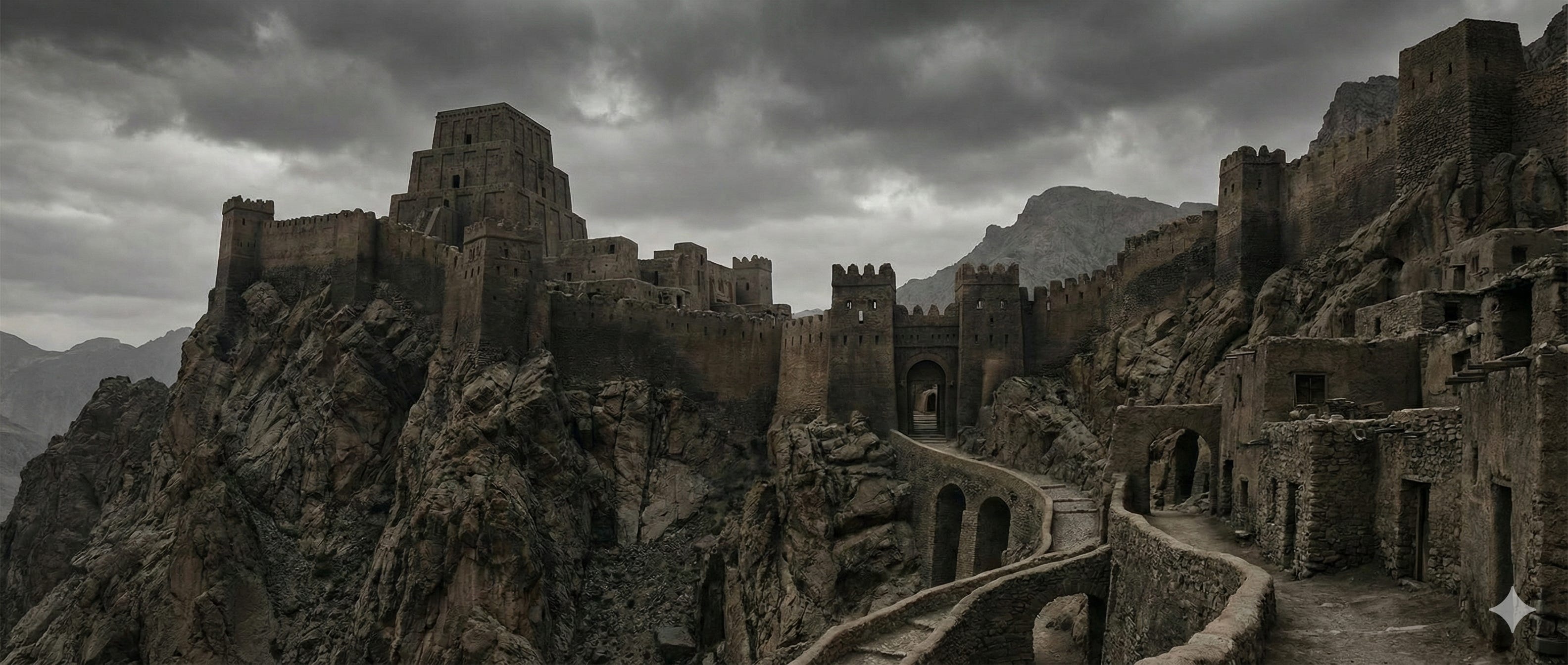
When the land was being divided, Caleb could have chosen a quiet territory. He could have appealed to age. He could have argued that he deserved rest. He could have leveraged his close relationship and long association with Joshua to ask for an area that would be easy to take and hold. He knew that there were giants in the land, and it would be more difficult to take a mountain from them.
Instead, he asked for Hebron.
Hebron was not empty land. It was occupied by the Anakim. These were the same giants that once terrified Israel (Joshua 14:12). Their cities were still fortified. The danger was real.
Caleb knew this and still said, “If so be the Lord will be with me, then I shall be able to drive them out” (Joshua 14:12).
This is a defining mark of leadership. He moved towards difficulty, not away from it.
Leaders who make a difference do not search for the safest assignments. They take responsibility for the hardest work when God has spoken.
You should ask yourself what kind of leadership choices you are making. Are you choosing paths that protect you, or paths that require faith?
Caleb did not ask for the mountain to prove a point. He asked because he believed God was still faithful.
He depended on God, not past success
Caleb had a strong record. He had been faithful. He had spoken boldly. He had survived the wilderness. Yet he did not rely on his experience.
He said, “If the Lord will be with me.”
That statement reveals humility. Experience matters, but it does not replace dependence on God.
Many leaders fail when past success becomes present confidence. Caleb avoided that trap. He knew victory depended on God’s presence, not his reputation.
This posture keeps leaders grounded. It keeps them prayerful. It keeps them aligned with God’s will.
Caleb received what he asked for. He drove out the giants (Joshua 15:14). The land rested from war. His obedience secured an inheritance, not just for himself, but for future generations.
His life proves that bold faith is not reckless. It is responsible leadership under God.
Caleb’s story leaves you with a question.
What mountain has God assigned to you?
It may be a difficult responsibility. It may be a long-delayed call to serve Him. It may be an assignment you postponed because it looks demanding.
Do not ask for ease. Ask for grace to be faithful. Do not aim for comfort. Aim to trust God fully.
God still honours leaders who believe Him and act on His word.
Continue in grace!
Leadership the Bible Way - Part Four

One of the most haunting phrases in all of Scripture falls from the lips of King Saul after his rejection by God:
Thank you so much, Sir, for these awesome insights. Caleb's reliance on God and his resilience to holding firmly to what God says made him outstanding.
He could ask for the mountain notwithstanding the danger there because he was resting on the fact that God was with him and that was all that mattered.
God bless you, Sir.
This really blessed me. May the Lord continue to grant you grace to speak His wisdom and Word for every season in Jesus Name.