

The Bible is God’s way of teaching us about leadership. Yet leadership is rarely taught in Scripture through direct commands or leadership theories. Instead, it is taught through the lives of men and women. We learn by watching their successes, failures, strengths, weaknesses, victories, and mistakes.
1 Corinthians 10 (KJ2000)
11 Now all these things happened unto them for examples: and they are written for our admonition, upon whom the ends of the ages are come.
Paul tells us that the events recorded in Scripture happened as examples for us. They are not merely historical records. They are leadership lessons.
Romans 15 (KJ2000)
4 For whatsoever things were written before were written for our learning, that we through patience and comfort of the scriptures might have hope.
The stories were written for our learning. If we pay attention, they can save us from costly mistakes and help us make wiser decisions.
One of the most fascinating leadership figures in the Bible is a man who rarely receives much attention. His name was Ahitophel.
Most people remember David, Goliath, Jonathan, Joab, Bathsheba, or Absalom. Ahitophel often remains hidden in the background. Yet his influence on the affairs of Israel was enormous.
The Bible describes him in terms that are almost unbelievable.
2 Samuel 16 (KJ2000)
23 And the counsel of Ahithophel, which he counselled in those days, was as if a man had enquired at the oracle of God: so was all the counsel of Ahithophel both with David and with Absalom.
That is one of the strongest endorsements any adviser has ever received in Scripture.

His counsel carried such accuracy, wisdom, and insight that listening to him was compared to seeking guidance directly from God.
Notice that Ahitophel was not a prophet. He was not a priest. He was not a king. He was a counsellor.
Yet he possessed a gift that made him one of the most influential men in the kingdom.
God Gives Leaders People
When leaders pray for wisdom, they often expect God to give them an idea.
Sometimes He does.
But often God answers that prayer by sending a person.
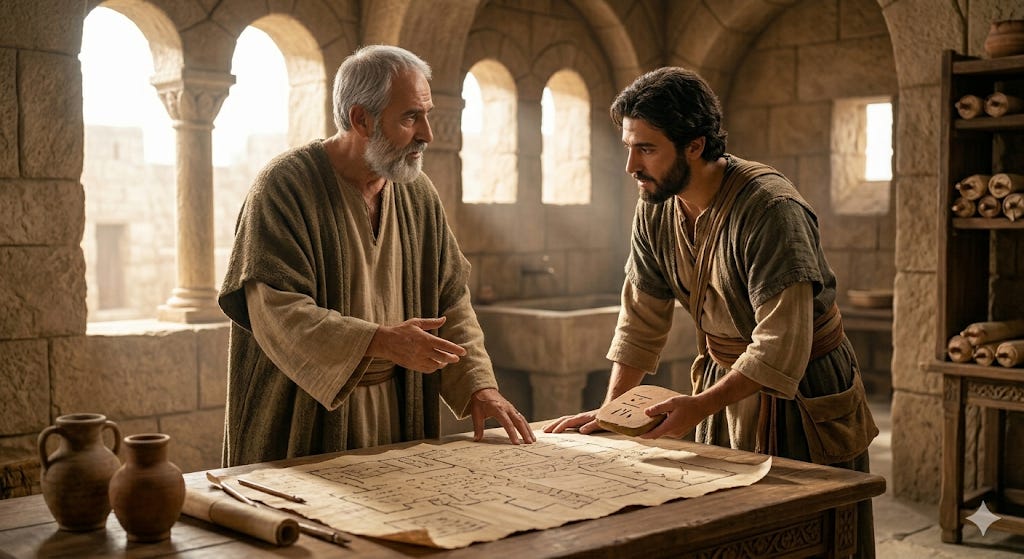
He sends someone who sees what others cannot see. Someone who can identify risks before they become disasters. Someone who can bring clarity when everyone else is confused.
That was Ahitophel.
Many leaders can point to people like this in their own lives. They may not occupy the highest office. They may not be the most visible people in the organisation. Yet their contribution is priceless.
Scripture repeatedly emphasises the value of wise counsel.
Proverbs 11 (KJ2000)
14 Where no counsel is, the people fall: but in the multitude of counsellors there is safety.
God never intended leaders to carry the burden of leadership alone.
No matter how gifted you are, there are things you cannot see. There are dangers you cannot detect. There are perspectives you do not possess.
Wise leaders understand this.
Foolish leaders do not.
Why Every Leader Needs an Ahitophel
Leadership creates blind spots.
The higher a person rises, the fewer people feel comfortable correcting them. As authority increases, honest feedback often decreases.
That is dangerous.
An Ahitophel can help a leader avoid costly mistakes.
An Ahitophel can see weaknesses in a plan before it is implemented.
An Ahitophel can recognise threats before they become crises.
An Ahitophel can provide perspective when emotions threaten good judgement.
David understood the value of Ahitophel’s counsel.
Absalom understood it too.
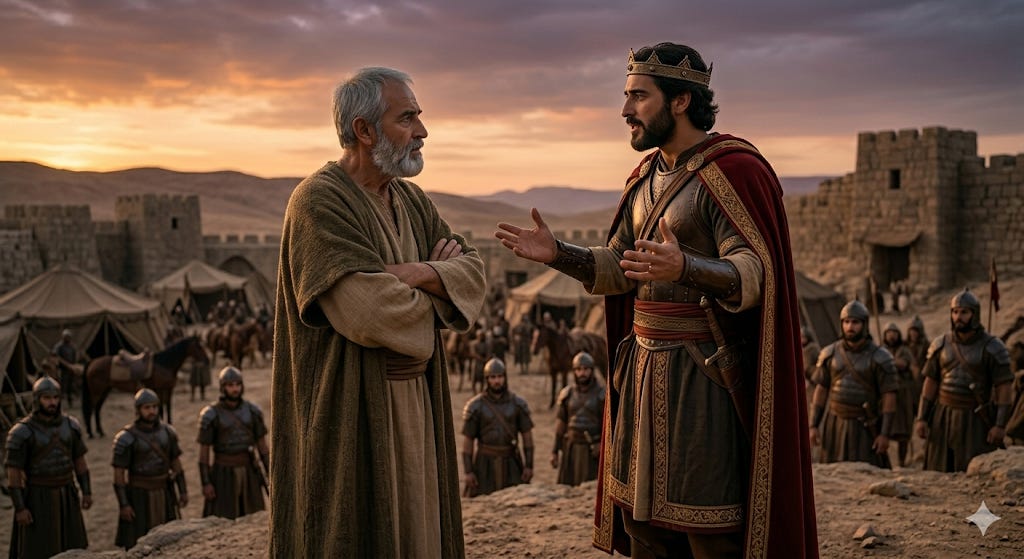
When Absalom rebelled against his father and attempted to seize the throne, one of the most important victories he achieved was winning Ahitophel to his side.
That tells us something significant.
Both David and Absalom understood that influence often follows wisdom.
Whoever had Ahitophel gained a strategic advantage.
Are There Ahitophels Today?
The title of this series was inspired by Tony Cooke’s book In Search of Timothy.
Just as leaders should be looking for faithful Timothys, they should also be looking for Ahitophels.
Not men who seek attention.
Not men who collect titles.
Not men who constantly remind everyone how wise they are.
But people whose judgement has been proven over time.
People whose words consistently bring clarity.
People whose counsel repeatedly proves sound.
They may not be famous.
They may not have a platform.
They may not even be among your closest friends.

Yet God may have placed them near you as one of His greatest gifts to your leadership.
The question is whether you will recognise them
Looking Ahead
In the next parts of this series, we will explore several important questions.
How do leaders identify people with this gift?
How should leaders manage and relate to them?
What made Ahitophel’s counsel so effective?
How did a man with such an extraordinary gift end his life in tragedy?
The story of Ahitophel contains lessons for leaders, advisers, pastors, executives, and anyone who influences decisions.
Before we continue, take a moment to reflect.
Who are the Ahitophels in your life?
Who are the people whose wisdom has repeatedly protected you from mistakes?
Have you learned to value them?
Or have you overlooked one of God’s greatest gifts to your leadership?
The leaders who succeed are not always the leaders with the greatest talent.
Often, they are the leaders who listen to the right voices.
Continue in grace!