

One of the most haunting phrases in all of Scripture falls from the lips of King Saul after his rejection by God:
“I have sinned: yet honour me now, I pray thee, before the elders of my people, and before Israel…” (1 Samuel 15:30).
It is a statement that reveals the root of Saul’s leadership failure. He feared losing face before men more than losing fellowship with God. He was more concerned about how he appeared in the sight of the people than how he stood in the sight of the Lord.
Saul’s Partial Obedience
The command was clear. God instructed Saul through Samuel to utterly destroy Amalek. Nothing was to be spared. But Saul spared Agag the king and the best of the animals. When confronted, he first justified his actions as zeal: “The people spared the best to sacrifice unto the Lord…” (v. 15). Then he shifted the blame: “I feared the people and obeyed their voice” (v. 24).
This reveals a leader who was enslaved by the opinions of others. The very position God gave him as king over Israel became enslaved to the voices he was supposed to lead.

The Desperate Plea
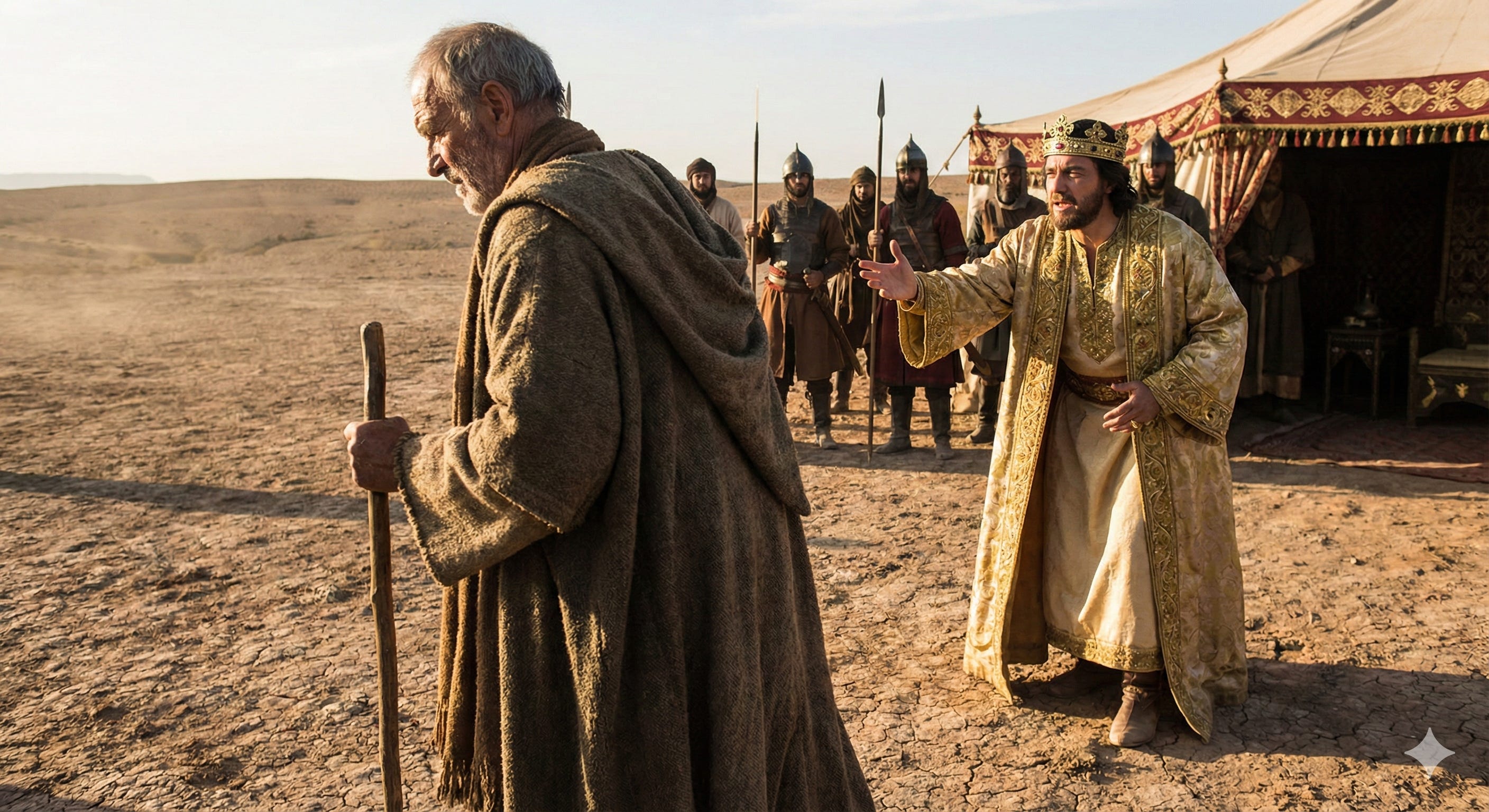
Even after Samuel’s verdict — that the kingdom was torn from him — Saul’s main concern was public humiliation. He pleaded not for forgiveness, not for restoration with God, but for Samuel’s presence beside him: “Honour me now before the people.”
This is image-driven leadership. Saul wanted Samuel’s endorsement, not God’s approval. He valued appearances above obedience.
The Danger of Image-Driven Leadership
There are leaders today who follow the same path. They build ministries, organisations, and reputations around the need to look good from the people’s perspective. Their sermons, decisions, and even their confessions of sin are carefully managed for optics. They may admit fault privately, but their priority in public is damage control.
When the fear of man governs us, we lose the fear of God. A leader who trembles at the thought of being shamed in front of men but feels no grief over grieving the Spirit of God has already fallen, whether the fall is visible yet or not.
1. Fear of Man
Saul confessed: “I feared the people.” This is the snare of many leaders. They cannot make hard decisions because they dread losing followers. They compromise God’s word to maintain the crowd.
2. Saving Face
Saul begged Samuel to “honour” him before the elders. Some leaders today will do anything for public recognition. They measure success not by God’s commendation but by social media applause, numbers in the pews, or the praise of peers.
3. Shallow Repentance
Saul’s confession of sin was shallow. His first concern was his reputation, not his relationship. Contrast this with David, who was guilty of adultery and murder, but cried: “Against You, You only, have I sinned” (Psalm 51:4). David’s brokenness was before God, not before men.
The Contrast with David
Both Saul and David sinned grievously. But one was rejected while the other was restored. Why? Because Saul repented for the sake of appearances, but David repented for the sake of God’s presence. Saul wanted to be honoured before men. David only wanted to be right in the sight of God.
When Nathan confronted David, his cry was not “please honour me before the people.” It was “cast me not away from Your presence” (Psalm 51:11). That is the cry of a leader after God’s heart.
Modern Lessons
Your reputation before men is fragile, but your standing before God is eternal.
One day, every leader will stand alone before the Lord, stripped of titles and crowds. Only obedience will matter then.Beware of public endorsement when God has withdrawn private approval.
Saul had Samuel’s robe beside him that day, but not God’s favour. Many leaders still have the external trappings of success long after God’s endorsement has departed.True repentance is Godward, not manward.
A tearful apology before people is not repentance if there is no brokenness before God.Fear God more than you fear losing people.
Leaders who compromise to keep followers will eventually lose both. But those who stand with God will find that He preserves their legacy.
A Word to Leaders Today
Ministers, pastors, CEOs, team leaders — beware of Saul’s plea echoing in your own heart: “Honour me now before the people.” It is the cry of insecurity, the voice of pride, the last gasp of a leader who has already lost God’s presence but still craves man’s applause.
The true mark of greatness is not in how men honour you, but in how God esteems you. Jesus warned in John 5:44: “How can you believe, which receive honour one of another, and seek not the honour that comes from God only?”
A leader’s greatest ambition must be this: not to be honoured before men, but to be found faithful before God.
Conclusion
The tragedy of Saul is not just that he lost the kingdom, but that he never grasped why. His heart was never God-centered. He lived and died chasing honour before men.
The triumph of David, in contrast, was not in flawless conduct but in a heart that was broken and contrite before the Lord.
May every leader learn this lesson: It is better to be dishonoured before men and accepted by God than to be honoured before men and rejected by Him.
Continue in grace!
Leadership the Bible Way - Part Five

One of the easiest mistakes to make in ministry is to misunderstand the purpose of your place in another man’s assignment.
This read "grips" the heart. Thank you Sir.