

2 Corinthians 11 (KJV)
22 Are they Hebrews? so am I. Are they Israelites? so am I. Are they the seed of Abraham? so am I.
23 Are they ministers of Christ? (I speak as a fool) I am more; in labours more abundant, in stripes above measure, in prisons more frequent, in deaths oft.
24 Of the Jews five times received I forty stripes save one.
25 Thrice was I beaten with rods, once was I stoned, thrice I suffered shipwreck, a night and a day I have been in the deep;
26 In journeyings often, in perils of waters, in perils of robbers, in perils by mine own countrymen, in perils by the heathen, in perils in the city, in perils in the wilderness, in perils in the sea, in perils among false brethren;
27 In weariness and painfulness, in watchings often, in hunger and thirst, in fastings often, in cold and nakedness.
Paul gives us a long catalogue of his sufferings: lashes, beatings, imprisonments, dangers from rivers and robbers, hunger and thirst, cold and nakedness. It is a staggering list that would have broken most men. Yet after listing all these external hardships, he concludes with something far less visible but far more constant:
2 Corinthians 11
28 Beside those things that are without, that which cometh upon me daily, the care of all the churches.
Paul considered the daily burden of caring for God’s people the heaviest load he carried. The outward trials were real, but the inward responsibility was weightier still. What sustained him through shipwrecks and prisons was not stubbornness of will but the inner fire of responsibility for the churches. This is the invisible burden of leadership.
The Burden that Gives Meaning to Suffering
Here lies a paradox: what made it possible for Paul to endure the external hardships of persecution was the internal burden of the care of the churches.
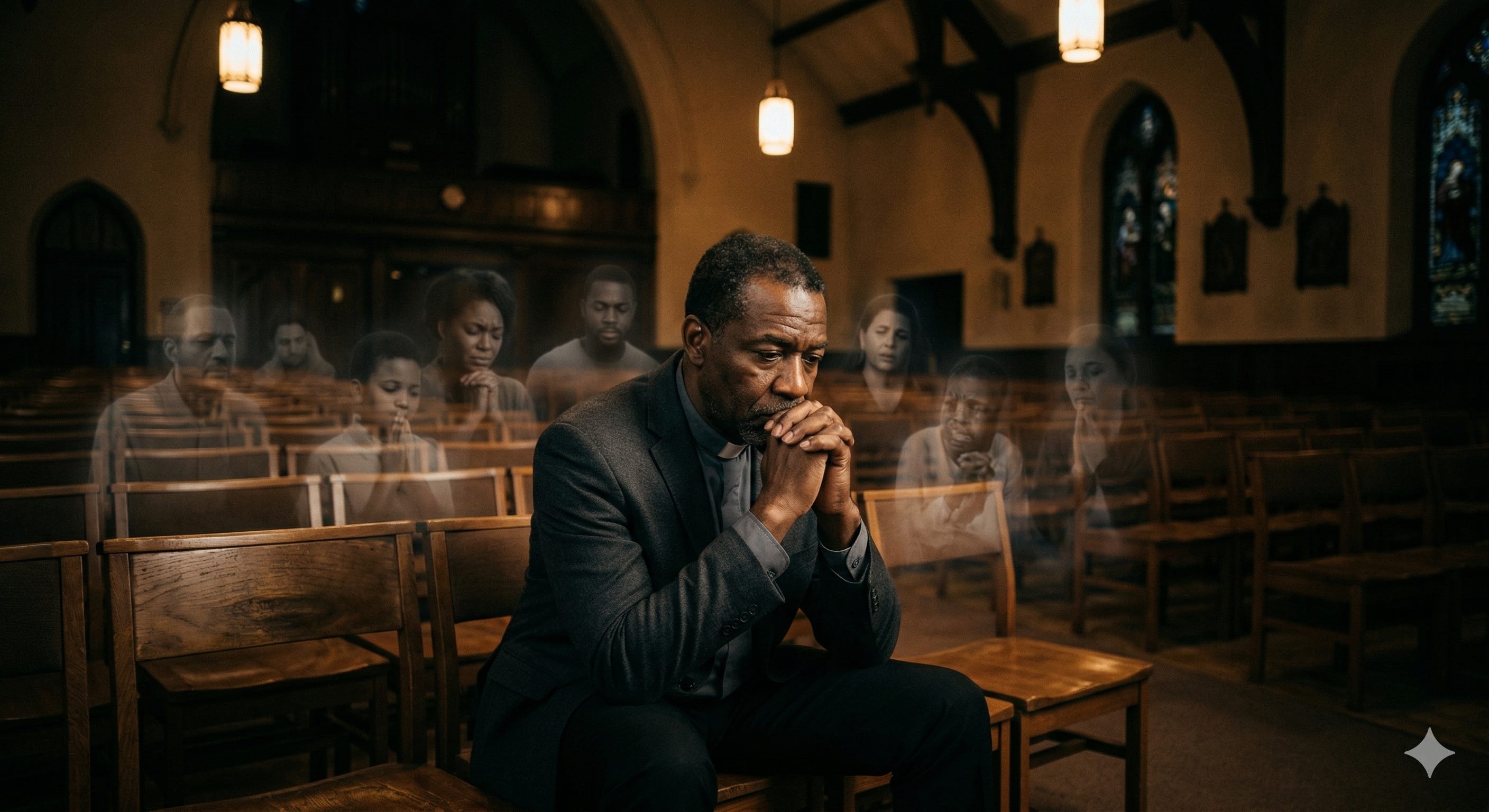
Without that inward responsibility, his stripes and beatings would have been meaningless pain. But with it, every trial became purposeful — a price worth paying for the growth and preservation of God’s people. That is why he could say in :24:
Colossians 1 (KJV)
24 I rejoice in my sufferings for you, and fill up that which is behind of the afflictions of Christ in my flesh for his body’s sake, which is the church.
The inner burden gave meaning to the outer burdens. Vision turned pain into purpose.
The Fellowship Few Seek
Paul’s secret was not merely endurance, but identification with Christ.
Philippians 3 (KJV)
10 That I may know him, and the power of his resurrection, and the fellowship of his sufferings, being made conformable unto his death.”
Many today seek to demonstrate the power of His resurrection. Few seek to partake of the fellowship of His sufferings. Yet Paul embraced both.
Shipwrecks did not break him, because he knew churches would be planted.
Prisons did not silence him, because he could still write letters that strengthened the saints.
Lashes did not discourage him, because he counted it joy to suffer for the body of Christ.
Resurrection power flows most deeply through those who first share the sufferings of Christ.
Biblical Examples of the Inward Burden
Paul was not the only one. Scripture records other leaders who bore this invisible weight.
Moses cried out, “I am not able to bear all this people alone, because it is too heavy for me” (Numbers 11:14). Pharaoh’s threats did not crush him, but the daily complaints of the people almost did.
Samuel grieved when Israel demanded a king. God told him, “They have not rejected you, but me” (1 Samuel 8:7). His heart was broken not by Philistine armies, but by the people’s rejection of God’s leadership.
Nehemiah, though safe in the Persian palace, wept when he heard of Jerusalem’s broken walls (Nehemiah 1:4). Comfort did not relieve him of the burden; God’s people’s condition weighed heavier than royal privilege.
Jeremiah was known as the weeping prophet. He prayed, “Oh that my head were waters, and mine eyes a fountain of tears, that I might weep day and night for the slain of the daughter of my people” (Jeremiah 9:1). His tears for their sin and judgment were a heavier chain than the prisons he endured.
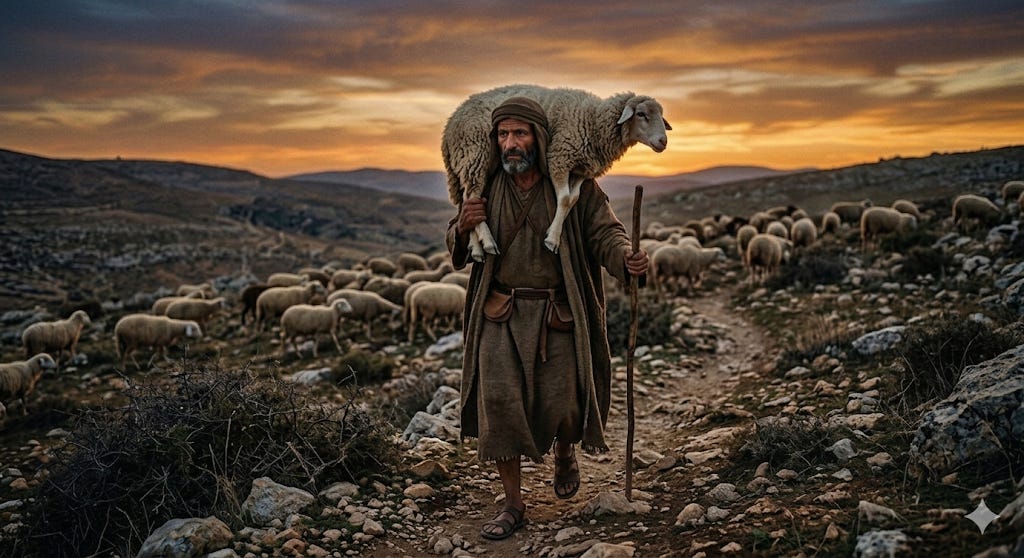
And Jesus Himself was moved with compassion when He saw the multitudes, fainting and scattered as sheep without a shepherd (Matthew 9:36). The daily weight of the crowd was not irritation but compassion. The burden of souls defined His ministry.
The Contrast with Today
Sadly, many ministers today have abandoned this burden. They are diligent about programs, budgets, buildings, and assets, but careless with people. To them, people are expendable items, just like chairs, microphones, or cars. If one breaks, another can be acquired.
This is a tragic distortion of ministry. The true treasure of the ministry is not equipment, but people. Souls are not assets to be consumed; they are sheep to be cared for. When ministers treat people as disposable, they betray the very heart of Christ, who left the ninety-nine to go after the one lost sheep.
Programs may impress crowds, and buildings may draw attention, but only love for people reflects the heart of the Good Shepherd. Paul did not list “the care of all the churches” as an achievement to boast about; he named it as the daily burden that defined his ministry.

What True Leadership Requires
The invisible burden of leadership is not glamorous. It is not the stage lights, the microphones, or the accolades. It is the weight of souls pressing on your heart daily:
Praying for their stability.
Watching against wolves that would scatter them.
Weeping over their sins.
Rejoicing in their growth.
Bearing with their weaknesses.
This is what separated Paul from mere preachers. He did not see people as numbers, or partners, or donors. He saw them as the church of God, purchased with the blood of Christ, entrusted to his care.
Leadership Today
Leadership is not proven by how well you handle storms outside, but by how faithfully you carry the weight inside. Anyone can endure a crisis for a season, but only true leaders carry the unseen, constant burden of God’s people.
Moses sighed under it.
Samuel wept over it.
Nehemiah prayed about it.
Jeremiah cried through it.
Jesus was moved with compassion by it.
Paul bore it daily — and through that burden, resurrection power flowed.
The measure of ministry is not the size of your building, the reach of your program, or the applause of men. It is whether you truly care for God’s people every single day.
Conclusion
The greatest danger in ministry today is not persecution from the world but hardness of heart within the church. A minister can build an empire, run successful programs, and manage large budgets — yet still treat people as disposable. That is not the heart of Christ.
The heart of true leadership is this: “That which cometh upon me daily, the care of all the churches.” Until we embrace that burden, we cannot know the fellowship of His sufferings, nor can we truly demonstrate the power of His resurrection.
Continue in grace!
Leadership the Bible Way - Part Seven

The Book of Esther preserves for us the dramatic story of Haman. It is a story of ambition, power, obsession, and ultimate downfall. Haman was promoted to one of the highest offices in the Persian Empire, yet he lost everything because he allowed hatred for one man to consume him.
Thank you sir